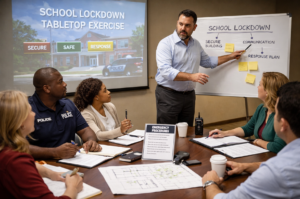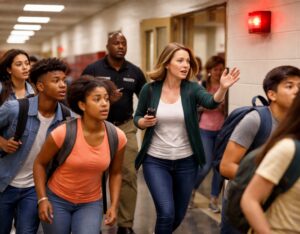
As the school bell rings and students gather in classrooms, the focus is often on lessons and friendships. However, an essential aspect of school life often goes unnoticed: safety preparedness. Mastering safety through essential school drills is not just a precaution; it’s a vital skill that every student should embrace. From fire evacuations to lockdown procedures, knowing these drills empowers students to respond calmly and effectively in emergencies. Imagine a scenario where every student moves in unison, confidently executing their training, ensuring their safety and that of their peers. In this article, we’ll explore the key drills that will equip students with the knowledge and readiness needed to navigate any crisis confidently. Join us as we delve into the world of safety drills, ensuring that every student is not only prepared but also empowered to master the art of safety in their school environment.
Importance of Safety Drills in Schools
Safety drills are a cornerstone of a well-prepared school environment. They serve as the foundation upon which students and staff can build their responses to emergencies, ensuring that everyone knows exactly what to do when a real situation arises. The importance of these drills cannot be overstated; they are not just routine exercises but essential practices that can save lives. By participating in regular safety drills, students internalize procedures and develop the muscle memory needed to act swiftly and correctly in emergencies. This preparedness reduces panic and confusion, which are the greatest threats during any crisis (National Center for Education Statistics).
Moreover, safety drills instill a sense of responsibility and awareness among students. When children understand the importance of these exercises, they are more likely to take them seriously and follow instructions meticulously. This conscientiousness translates into a broader culture of safety within the school, where everyone is committed to looking out for each other. Peer influence can be a powerful tool; when students see their classmates participating earnestly in drills, they are likely to do the same. This collective effort ensures a safer environment for all (Texas School Safety Center).
Types of Safety Drills Every Student Should Know
There are several types of safety drills that every student should be familiar with to ensure comprehensive preparedness. Each type of drill addresses a specific kind of emergency, equipping students with the knowledge and skills needed to respond effectively. The most common drills include fire drills, lockdown drills, earthquake drills, and evacuation drills. Each of these drills has its unique procedures and best practices that must be followed diligently (FEMA P-1000 Guide).
Fire drills are probably the most familiar to students and staff alike. These drills focus on evacuating the building quickly and safely in the event of a fire. They teach students how to locate the nearest exits, follow designated evacuation routes, and gather at a predetermined assembly point. Fire drills also emphasize the importance of not using elevators and the need to stay low to avoid inhaling smoke. Regular fire drills ensure that these procedures become second nature, minimizing the risk of injury during an actual fire (Ready.gov Fire Safety).
Lockdown drills, on the other hand, prepare students and staff for situations where it is safer to stay inside the building than to evacuate. These drills are typically used in response to threats such as armed intruders on campus. Lockdown procedures involve securing classrooms, turning off lights, and remaining silent to avoid drawing attention. The goal is to make the school appear empty and to keep everyone out of harm’s way until the threat has been neutralized. Practicing lockdown drills helps students and staff react quickly and effectively, reducing the likelihood of panic during a real emergency.
Fire Drills: Procedures and Best Practices
Fire drills are a core part of school safety, ensuring students and staff can evacuate quickly and calmly during a fire. The goal is simple: everyone exits safely and gathers at a designated assembly point without delay.
Students and staff should know primary and secondary routes, with maps posted and reviewed regularly. During drills, teachers lead calmly, reinforcing no running or pushing; consistent practice builds confident, automatic responses (Ready.gov Evacuation).
Outside, classes gather at a safe, predetermined point for roll call, and any missing individuals are reported immediately. Following these steps reduces confusion and speeds evacuation during real incidents (NFPA Structure Fires in Schools, U.S. Fire Administration: School Fire Safety).
Lockdown Drills: Preparing for Emergencies
Lockdown drills are a vital part of school safety, preparing students and staff for situations where staying inside is safer than evacuating. These drills are often used in response to threats such as an armed intruder or campus violence. The goal is to secure everyone in a safe location until the danger is resolved (Department of Homeland Security – Active Shooter Preparedness).
During a drill, classrooms are locked, lights turned off, and blinds closed to make rooms appear empty. Teachers instruct students to stay silent and away from doors and windows. If necessary, staff and students should know how to barricade doors or identify alternate escape routes. Regular practice builds confidence and ensures calm, effective responses in real emergencies (Ready.gov – Active Shooter Safety).
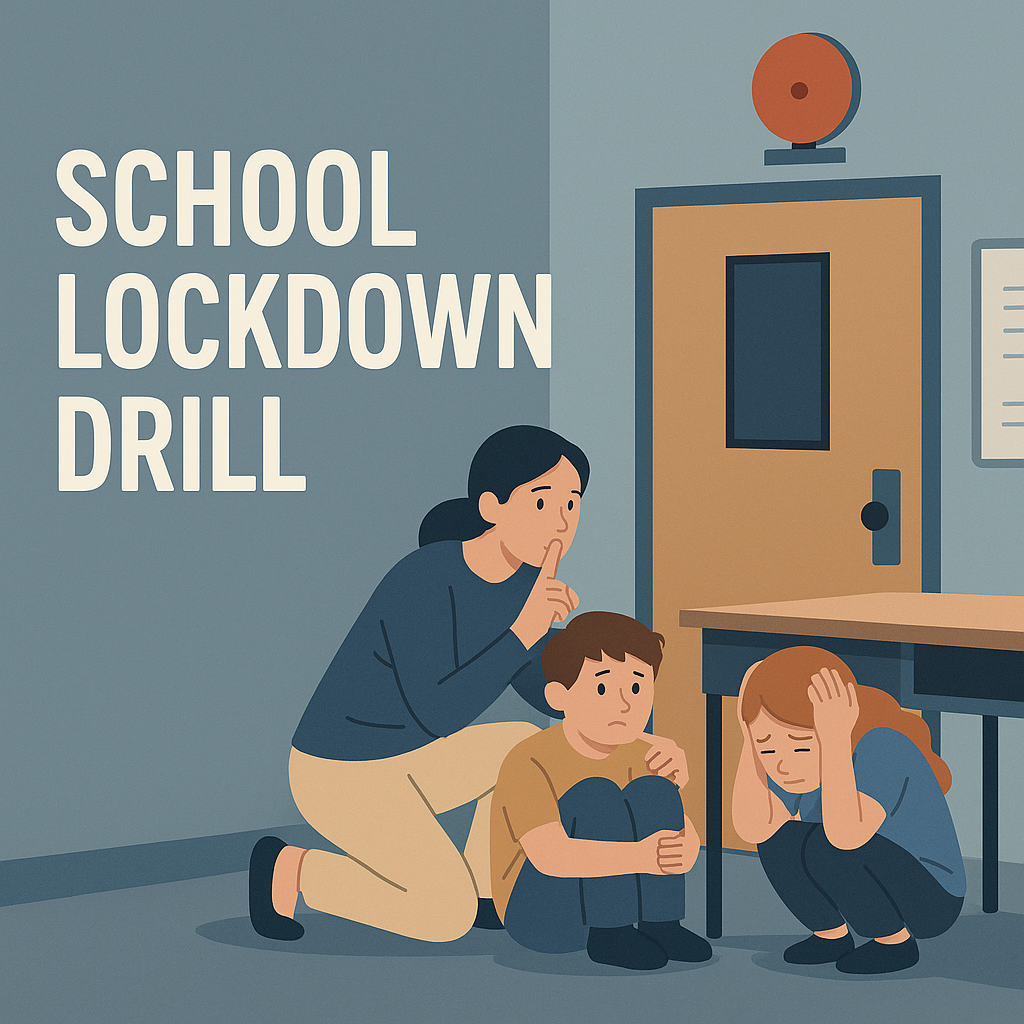
Figure 1: A graphic of a lockdown drill
Clear communication is also critical. Schools should have defined signals for lockdowns and protocols for coordinating with law enforcement. Practicing and refining these steps helps ensure everyone can respond quickly and effectively to any threat.
Evacuation Drills: Planning and Execution
Evacuation drills are a key part of school safety, preparing students and staff to leave the building quickly during emergencies such as fires, chemical spills, or other immediate threats. The goal is clear: everyone exits safely and assembles without delay.
Effective drills require clear routes, posted maps, and regular practice. Teachers lead students calmly along designated exits, reinforcing that moving quickly but safely—without running or pushing—is essential. Consistent practice helps students internalize these procedures and respond appropriately in real situations (U.S. Fire Administration – School Fire Safety).
Once outside, classes gather at a predetermined assembly point far enough from the building to avoid hazards. Teachers take attendance and report missing individuals to emergency personnel. By following these steps, schools ensure swift, orderly evacuations that minimize risk.
Role of Teachers and Staff in Safety Drills
Teachers and staff play a crucial role in the success of school safety drills. Their leadership and guidance are essential in ensuring that students understand and follow the procedures for each type of drill. By modeling appropriate behavior and providing clear instructions, teachers and staff can help create a culture of safety and preparedness within the school (REMS TA Center – School Guide, Guide for Developing High-Quality School EOPs (PDF)).
One of the key responsibilities of teachers and staff during safety drills is to ensure that students are familiar with the procedures and understand the importance of following them. This involves regular review and practice of the drills, as well as providing opportunities for students to ask questions and seek clarification. Teachers should also be prepared to address any concerns or anxieties that students may have about the drills, helping to build their confidence and sense of security (National Association of School Psychologists – School Safety Resources).
In addition to educating students about the procedures, teachers and staff must also be prepared to take on leadership roles during the drills. This includes leading students along evacuation routes, securing classrooms during lockdowns, and providing reassurance and support during earthquake drills. Teachers should be equipped with the knowledge and skills needed to handle any situation that may arise, including administering first aid and coordinating with emergency responders. Regular training and practice help ensure that teachers and staff are ready to act quickly and effectively in an emergency (CDC – Emergency Preparedness for Schools, CISA – K-12 School Security Guide).
Finally, teachers and staff play a critical role in fostering a culture of safety within the school. By taking safety drills seriously and demonstrating a commitment to preparedness, they can help instill these values in their students. Encouraging a sense of responsibility and awareness among students, and reinforcing the importance of looking out for each other, helps create a supportive and safe school environment. By working together, teachers, staff, and students can ensure that everyone is prepared to respond to emergencies and protect each other.
Engaging Students in Safety Training
Engaging students in safety training is essential to ensure that they take the drills seriously and understand the importance of being prepared. To achieve this, schools must find ways to make the training interesting, relevant, and accessible to students of all ages. By incorporating interactive and hands-on activities, schools can help students develop the skills and confidence needed to respond effectively in an emergency (FEMA – Youth and Emergency Planning).
One effective way to engage students in safety training is to use simulations and role-playing exercises. These activities allow students to practice their responses in a controlled and realistic environment, helping them to internalize the procedures and develop muscle memory. For example, a school might set up a mock fire drill, complete with smoke machines and alarms, to give students a sense of what a real evacuation would be like. Similarly, lockdown drills can include role-playing scenarios where students practice barricading doors and responding to different threats. These hands-on activities make the training more engaging and memorable (FEMA – Youth Preparedness Council).
In addition to simulations and role-playing, schools can use technology to enhance safety training. Educational videos, interactive software, and online resources can provide students with valuable information and practice opportunities. For example, students can watch videos demonstrating the “Drop, Cover, and Hold On” method for earthquake safety (USGS – Earthquake Preparedness, Ready.gov – Earthquake Safety) or use interactive software to practice identifying evacuation routes. These tools can help reinforce the procedures and provide students with a deeper understanding of the importance of safety drills.
Finally, schools should encourage student participation and feedback in the safety training process. This can involve holding discussions and debriefing sessions after drills, where students can share their experiences and suggest improvements. Schools can also create student safety committees or clubs, where students take on leadership roles in promoting safety and preparedness. By involving students in the process and giving them a sense of ownership, schools can foster a culture of safety and ensure that everyone is committed to being prepared (FEMA – Preparedness Exercises).
Conclusion: Building a Culture of Safety in Schools
Building a culture of safety in schools is a collective effort that requires the commitment and cooperation of students, teachers, staff, and administrators. By prioritizing safety and preparedness, schools can create an environment where everyone feels secure and confident in their ability to respond to emergencies. Regular safety drills, effective training, and a focus on continuous improvement are key components of this effort.
Safety drills are not just routine exercises; they are essential practices that can save lives. By familiarizing students and staff with the procedures for different types of emergencies, schools can ensure that everyone knows what to do when a real situation arises. This preparedness reduces panic and confusion, which are the greatest threats during any crisis. Regular practice helps students internalize the procedures and develop the muscle memory needed to act swiftly and correctly.
Teachers and staff play a crucial role in the success of safety drills, providing leadership and guidance to ensure that students understand and follow the procedures. By modeling appropriate behavior and providing clear instructions, they help create a culture of safety and preparedness within the school. Engaging students in the training process, using interactive and hands-on activities, and encouraging participation and feedback are also essential to ensuring that students take the drills seriously and understand their importance.
Ultimately, building a culture of safety in schools is about creating an environment where everyone feels responsible for their own safety and the safety of others. By working together and prioritizing preparedness, schools can ensure that students are equipped with the knowledge and readiness needed to navigate any crisis confidently. Safety drills are not just a precaution; they are a vital skill that every student should embrace, empowering them to respond calmly and effectively in emergencies.
The patented SimulAlert® Color-coded Badge System helps schools strengthen emergency alert and response preparedness. Fully compliant with Alyssa’s Law — legislation requiring silent panic alarms directly linked to law enforcement — SimulAlert enables administrators to seamlessly involve local responders during drills and real emergencies.
SimulAlert empowers schools to build resilience and confidence. [Learn more or request a free demo today].